


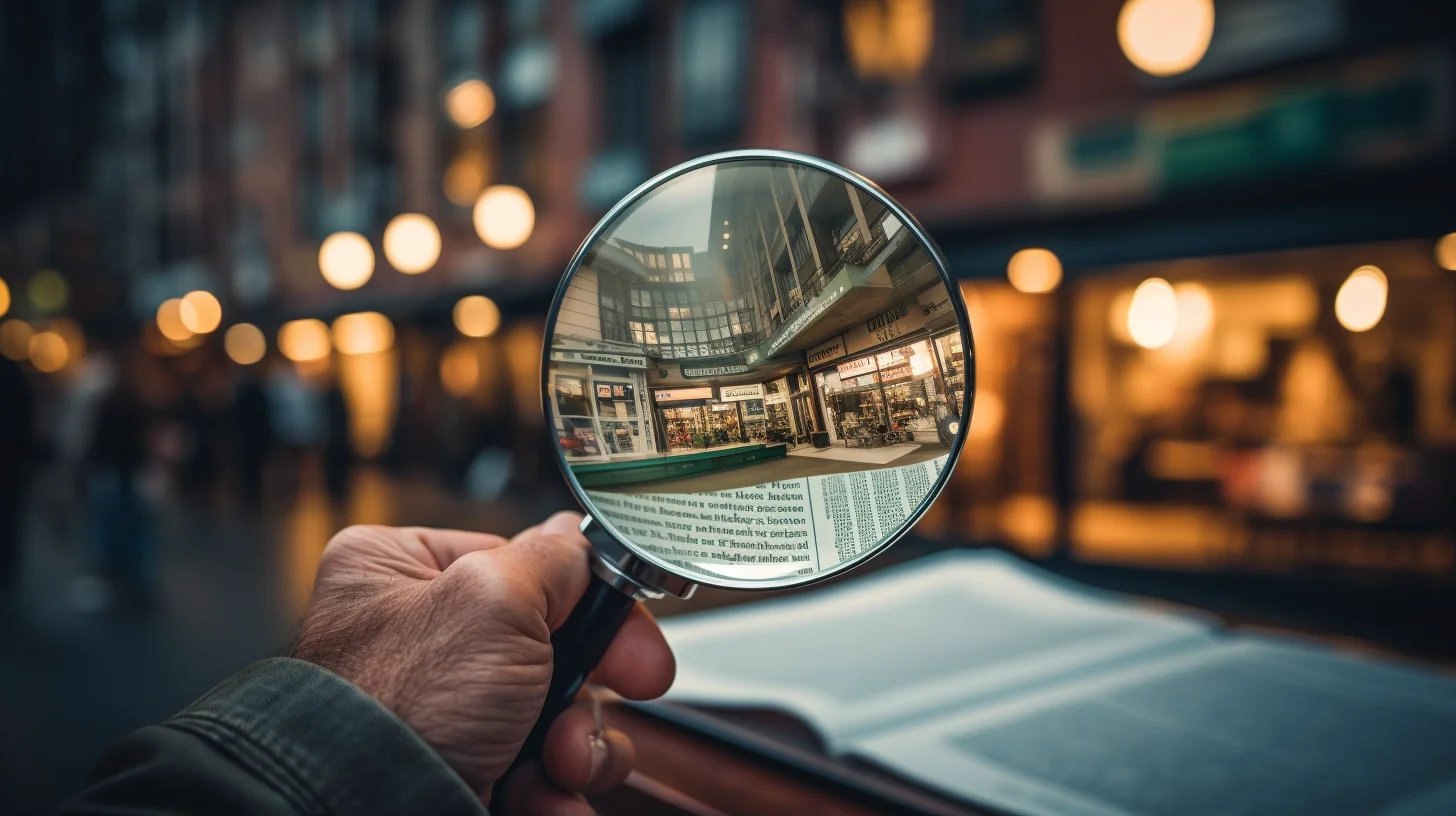
In a world that is often reliant on visual information, those with vision impairment face unique challenges in their daily lives. It's here that magnifiers for vision impairment emerge as valuable tools, offering a glimmer of clarity and independence. In this comprehensive guide, we will explore the world of magnifiers and their pivotal role in the lives of visually impaired individuals. By the end of this journey, you'll understand the significance of these assistive devices and how they can make a profound difference in the lives of those who rely on them.
The World of Vision Impairment
Vision impairment, often referred to as low vision, encompasses a range of conditions that affect a person's ability to see clearly. This can include difficulties in recognizing faces, reading, or navigating through everyday environments. Among the most prevalent eye conditions causing vision impairment are macular degeneration, cataracts, and glaucoma. Let's delve deeper into the world of vision impairment, gaining a better understanding of the challenges faced by those with visual limitations.
Understanding Vision Impairment
Vision impairment is a condition where individuals experience reduced visual acuity, which cannot be fully corrected with glasses or contact lenses. It can range from mild to severe, affecting people of all ages. The challenges faced by individuals with vision impairment extend beyond the physical limitations and can have a significant impact on their quality of life.
Common Eye Conditions Causing Vision Impairment
Macular Degeneration
This is a progressive eye disease that affects the macula, a small but crucial part of the retina responsible for central vision. Macular degeneration can result in blurred or distorted vision, making tasks like reading and recognizing faces increasingly difficult.
Cataracts
Cataracts are a clouding of the eye's natural lens, leading to diminished clarity and increased sensitivity to light. Those with cataracts may experience blurred or foggy vision.
Glaucoma
Glaucoma is a group of eye conditions that can result in optic nerve damage, often due to increased intraocular pressure. As it progresses, glaucoma can lead to tunnel vision and, if left untreated, may result in permanent vision loss.
The Challenges Faced by Visually Impaired Individuals
The challenges encountered by individuals with vision impairment are both practical and emotional. Everyday tasks that many of us take for granted, such as reading a book, identifying road signs, or recognizing a friend from afar, can be incredibly challenging for those with low vision. Moreover, the emotional toll of relying on assistance from others and feeling a loss of independence can be equally significant.
In the sections that follow, we will explore the solutions available to address these challenges and empower those with vision impairment to lead more fulfilling lives. We will discuss various types of magnifiers, how to choose the right one, and the benefits of incorporating these devices into daily routines. Join us on this enlightening journey into the world of magnifiers for vision impairment.
Types of Magnifiers
When it comes to assisting individuals with vision impairment, there's no one-size-fits-all solution. Different magnification tools are available, each tailored to specific needs and preferences. In this section, we'll explore the various types of magnifiers, helping you understand their unique features, benefits, and the popular products that are making a difference in the lives of those with low vision.
Handheld Magnifiers
Handheld magnifiers are versatile and user-friendly devices that provide magnification by simply holding them close to the reading material or object. These magnifiers are popular for their portability, making them ideal for on-the-go use. They come in various shapes and sizes, often resembling a traditional magnifying glass.
Convenience and Portability: Handheld magnifiers are lightweight and easy to carry, fitting comfortably in a purse or pocket. This convenience ensures that individuals with low vision can have their magnifier readily available when needed.
Wide Range of Magnification Options: Handheld magnifiers offer a broad spectrum of magnification levels, catering to various needs, from reading fine print to viewing photos or maps in detail.
Popular Handheld Magnifier Products
OptiVISOR Magnifying Headband: This hands-free option provides adjustable magnification for various tasks.
Carson MiniBrite LED Lighted Pocket Aspheric Magnifier: A pocket-sized, illuminated magnifier with a built-in LED light for enhanced clarity.
Eschenbach Mobilux LED Handheld Magnifier: Known for its high-quality optics and ergonomic design, this magnifier is a reliable choice.
Electronic Magnifiers
Electronic magnifiers, often referred to as video magnifiers, take magnification to the next level by employing advanced technology. These devices have a camera and screen that display enlarged images, text, or objects in real-time. Electronic magnifiers are designed to offer clear and adjustable visuals with additional features for enhanced user experience.
High Definition Imaging: Electronic magnifiers provide high-definition images, which are especially beneficial for individuals with more severe vision impairment.
Variable Magnification and Adjustable Settings: Users can customize the level of magnification, contrast, and color settings to suit their specific needs.
Electronic Magnifier Options
Freedom Scientific Ruby Handheld Video Magnifier: A compact and versatile handheld video magnifier with a user-friendly interface.
Eschenbach Smartlux Digital Portable Video Magnifier: A pocket-sized electronic magnifier with a 5-inch LCD display and multiple reading modes.
HumanWare Explore 8 Handheld Electronic Magnifier: Known for its clear, large display and intuitive controls.
Digital Magnifiers
Digital magnifiers, also known as computer-based magnification software, use a computer, tablet, or smartphone to provide magnification and enhance visual accessibility. They are suitable for those who are comfortable with digital technology and wish to integrate magnification into their existing devices.
Versatility and Integration: Digital magnifiers are versatile and can be used in conjunction with other assistive technologies and software to meet specific needs.
Customization: Users can customize the magnification level, screen colors, and contrast according to their preferences.
Digital Magnifier Models:
ZoomText Magnifier/Reader: A popular software program that offers screen magnification and reading aloud capabilities.
SuperNova Magnifier & Screen Reader: A comprehensive solution that combines magnification and screen reading for accessibility.
Portable Magnifiers
Portable magnifiers, as the name suggests, are designed for ease of use and transport. They are compact and lightweight, making them ideal for individuals who are frequently on the move.
Compact Design: Portable magnifiers are small and convenient, allowing users to carry them in a bag or pocket.
Simple Operation: These devices are often designed for straightforward, one-button operation, making them accessible to a wide range of users.
Recommended Portable Magnifier Brands:
OrCam Read 3: The OrCam Read 3 is an advanced and portable device designed to assist people with vision loss or reading difficulties. It uses OCR (Optical Character Recognition) technology to capture and read aloud printed or digital text from any surface, providing a comprehensive reading solution for individuals with low vision or reading fatigue.
Explore 5 Handheld Electronic Magnifier: Known for its 5-inch HD touchscreen and intuitive design.
In the sections that follow, we will explore how to select the right magnifier based on individual needs and preferences. Whether it's a handheld magnifier, electronic magnifier, or a digital magnifier, the key is finding the one that enhances the quality of life for those with vision impairment.
How to Choose the Right Magnifier
Selecting the right magnifier is a crucial step in enhancing the visual experience for individuals with vision impairment. It requires thoughtful consideration of various factors that can significantly impact the effectiveness of the chosen device. In this section, we will explore these factors, including the magnification level, lighting, portability, and ease of use, to help you make an informed decision.
Magnification Level
The primary function of a magnifier is to enhance the size and clarity of the object or text being viewed. The magnification level determines how much the image is enlarged, and choosing the right level is essential for a comfortable and effective experience.
Importance of Precision: Selecting the appropriate magnification level is crucial because excessive magnification can lead to distortion and make reading or viewing challenging.
Task-Specific Magnification: Different tasks may require varying levels of magnification. For example, reading small print might necessitate a different level of magnification than examining a piece of artwork.
Determining the Suitable Magnification for Specific Tasks
Reading Text: For reading, a magnification range of 2x to 4x is typically suitable for most individuals with low vision. It's important to test different magnification levels to find the one that provides the clearest and most comfortable reading experience.
Viewing Objects: When examining photographs, objects, or other details, a magnification level of 5x or higher may be necessary. Some electronic magnifiers allow for easily adjustable levels to accommodate different tasks.
Field of View: Consider the field of view provided by the magnifier. A larger field of view can be advantageous when reading or viewing broader content, such as maps or photographs.
Lighting and Contrast
Lighting and contrast play a significant role in the overall effectiveness of a magnifier. Adequate illumination and appropriate contrast can significantly enhance the viewing experience.
Illumination: Proper lighting is essential for clear visibility. Inadequate light can result in shadows and make it difficult to see even with magnification.
Contrast: Adequate contrast between text or objects and their background is critical. For reading, high-contrast options, such as black text on a white background, are often preferred.
Recommending Lighting Options for Various Needs
LED Lighting: Many modern magnifiers come with built-in LED lighting that provides bright and even illumination, reducing glare and enhancing clarity.
Adjustable Lighting: Some magnifiers allow users to adjust the intensity and temperature of the lighting to suit different lighting conditions and preferences.
Magnifiers with High Contrast Modes: Consider devices that offer specialized high-contrast modes for improved readability, especially for those with specific contrast sensitivities.
Portability and Ease of Use
The convenience of a magnifier, especially for individuals with vision impairment, is a critical factor. Portability and user-friendly features can significantly impact the usability of the device.
Portability: A portable magnifier should be compact and lightweight, making it easy to carry in a purse, pocket, or bag. This ensures that the magnifier is readily available whenever needed.
Ease of Use: The operation of the magnifier should be straightforward and user-friendly. Complex controls can be frustrating for individuals with low vision, so devices with intuitive interfaces are highly recommended.
User-friendly Magnifier Options
Foldable Handheld Magnifiers: These are designed to be compact and foldable, enhancing portability and ease of use.
Electronic Magnifiers with Simple Controls: Look for electronic magnifiers with user-friendly interfaces and clear button layouts.
Wearable Magnifiers: Some magnifiers can be worn like glasses or integrated into eyewear, providing hands-free operation and simplicity.
In the following sections, we will explore the benefits of using magnifiers for visually impaired individuals, demonstrating how selecting the right magnifier can lead to improved quality of life and increased independence.